

Resources
Common Issues by Brand
A quick, practical guide to the most common concerns we see on Japanese vehicles—what to watch for, what it may mean, and when to schedule diagnostics.
How to use this page
Symptoms first. Brand second.
Every model is different, but many problems show up the same way: warning lights, unusual noises, leaks, or drivability changes. Use the sections below to match your brand and symptom, then book an inspection before small issues become expensive repairs.
We service Toyota, Honda, Nissan, Subaru, Mazda, and Lexus using factory-approved tools, modern diagnostic equipment, and genuine OEM parts when replacement is needed.

Common issues
What we see most often (by brand)
Toyota
Oil leaks and seepage, suspension wear, brake vibration, and check-engine lights from sensors or EVAP issues.
Honda
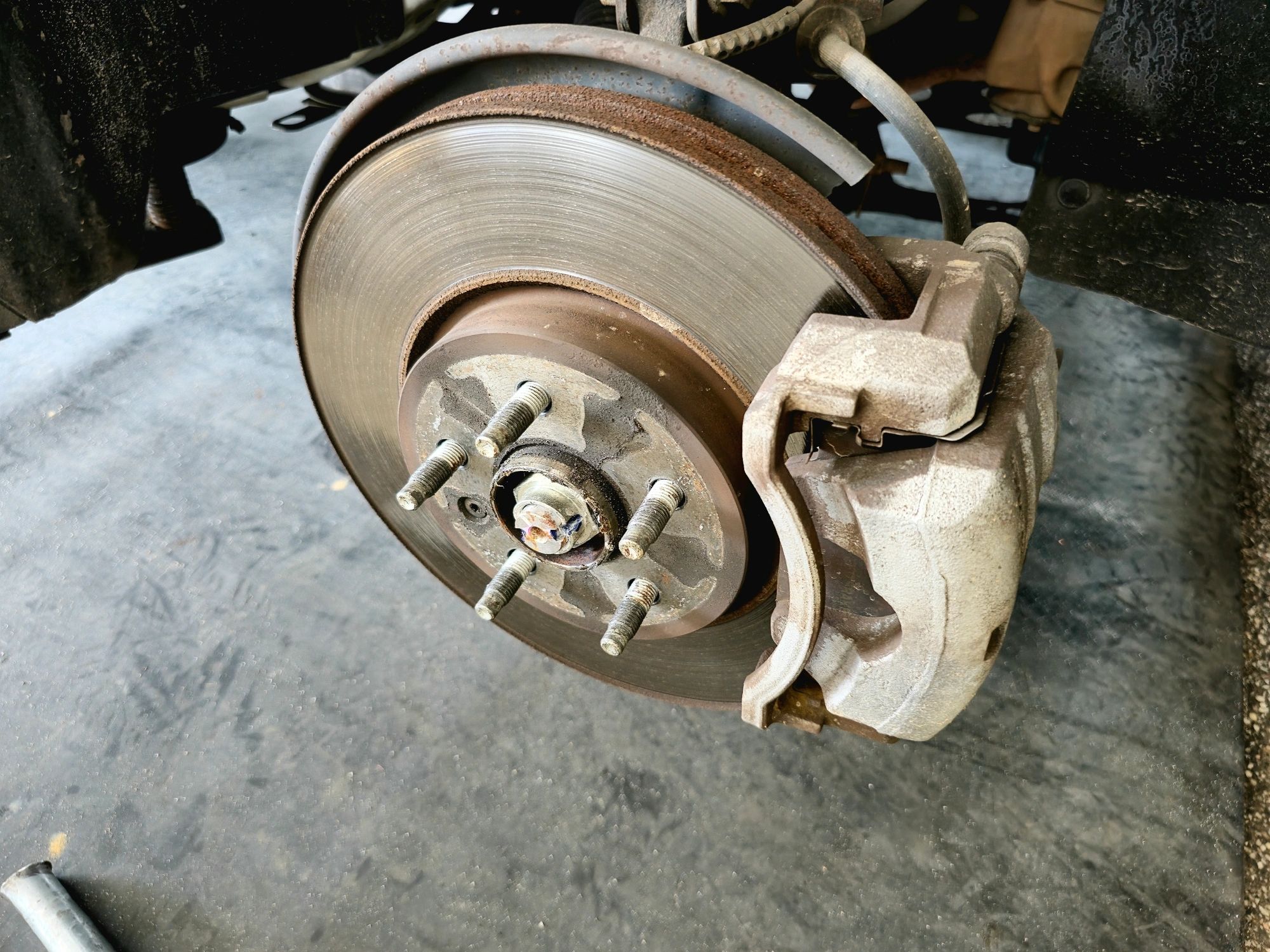
Brake and rotor wear, A/C performance issues, oil consumption on some engines, and dashboard warning lights that need proper scan data.
Nissan
Transmission concerns, cooling system leaks, misfires, and electrical/charging issues that require pinpoint testing.
Subaru
Oil leaks, wheel bearing noise, cooling system concerns, and driveline vibrations—especially noticeable at highway speeds.
Mazda
Brake noise, suspension clunks, battery/starting issues, and check-engine lights tied to ignition or intake systems.
Lexus
Suspension and bushing wear, brake vibration, fluid leaks, and intermittent warning lights that need advanced diagnostics.
Inside the shop
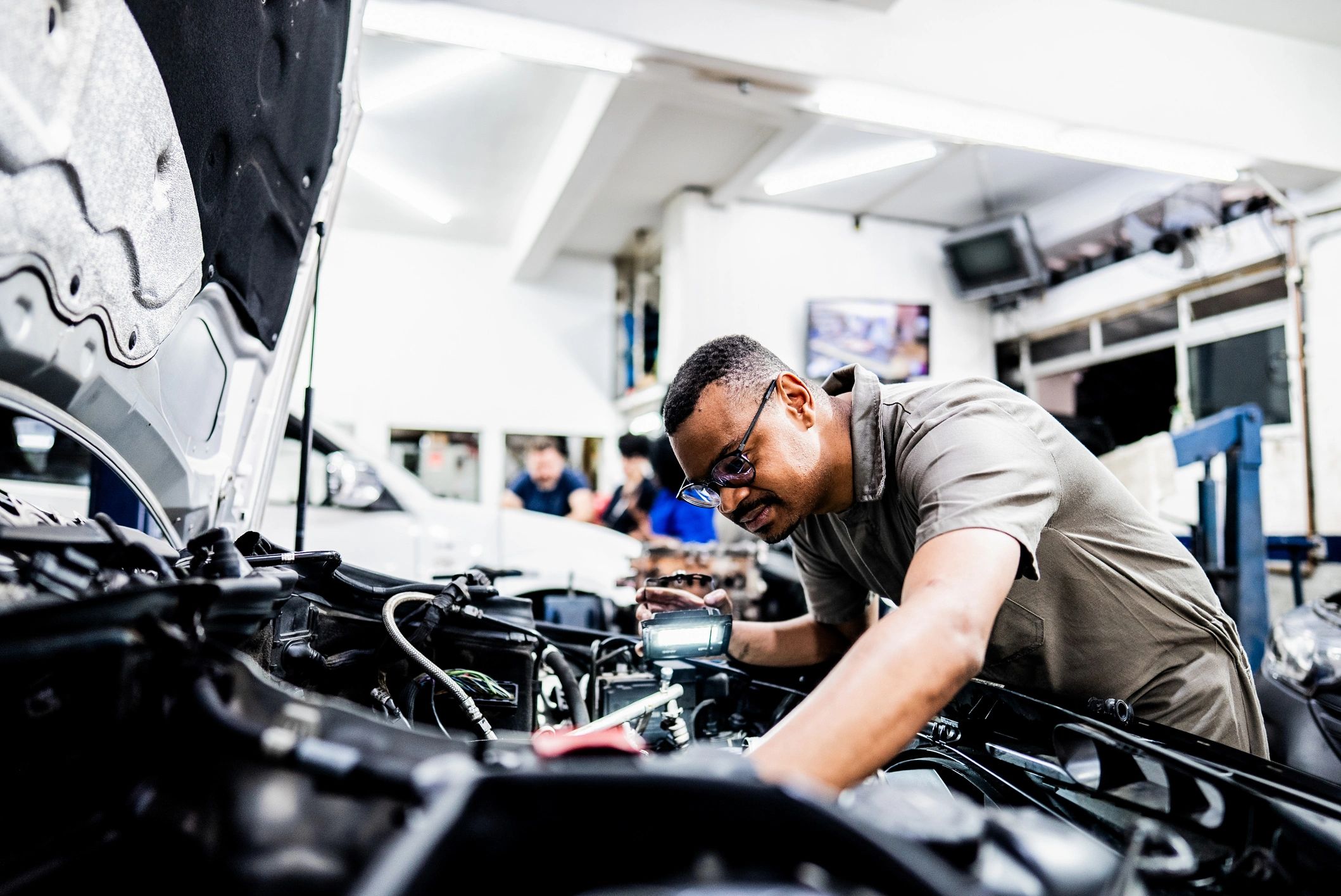
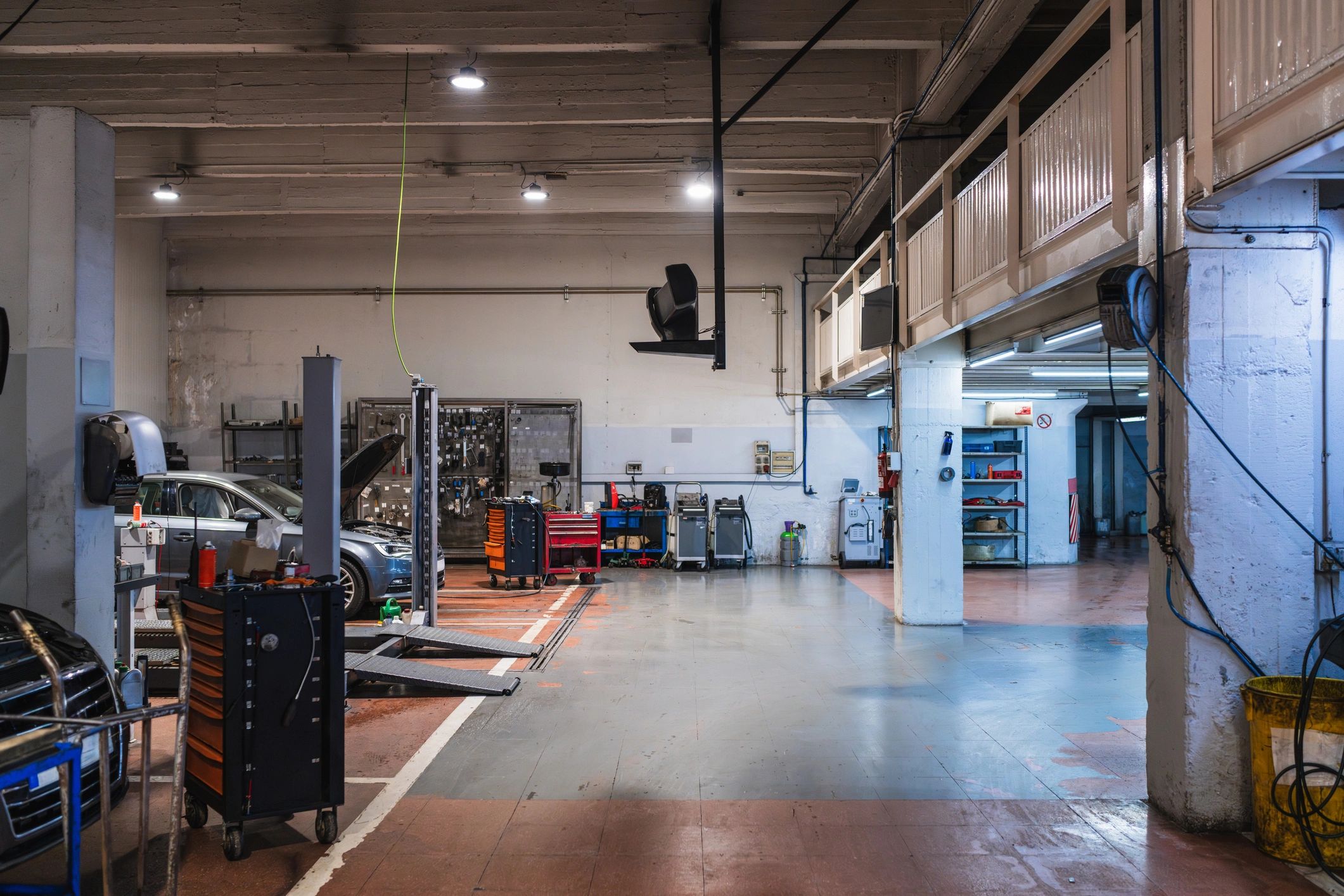
Specialist-level tools and careful inspections help us diagnose issues accurately—before parts get replaced.

When to book an inspection
If any of these sound familiar, schedule diagnostics—catching problems early often reduces repair cost and downtime.
Check engine light is on (or flashing).
A steady light means a stored fault; a flashing light can indicate an active misfire that may damage the catalytic converter. Book diagnostics as soon as possible.
I smell fuel or see a fuel economy drop.
Fuel odors or sudden MPG changes can point to leaks, EVAP faults, or sensor issues. We’ll pressure-test and scan data to confirm the cause.
Brakes squeal, grind, or the steering wheel shakes when braking.
Noise or vibration can indicate worn pads/rotors, caliper issues, or suspension play. A brake inspection prevents rotor damage and unsafe stopping.
Transmission feels rough, slips, or hesitates.
Shifting concerns can be fluid-related, electronic, or mechanical. We’ll verify fluid condition, scan for codes, and road-test to pinpoint the issue.
Overheating, coolant smell, or frequent top-offs.
Cooling system problems can escalate quickly. We’ll inspect for leaks, test the cap/thermostat, and confirm fan operation and coolant flow.
Clunks, humming, or vibration while driving.
Noises and vibration can come from wheel bearings, CV axles, bushings, or tires. We’ll isolate the source with a lift inspection and road-test.